
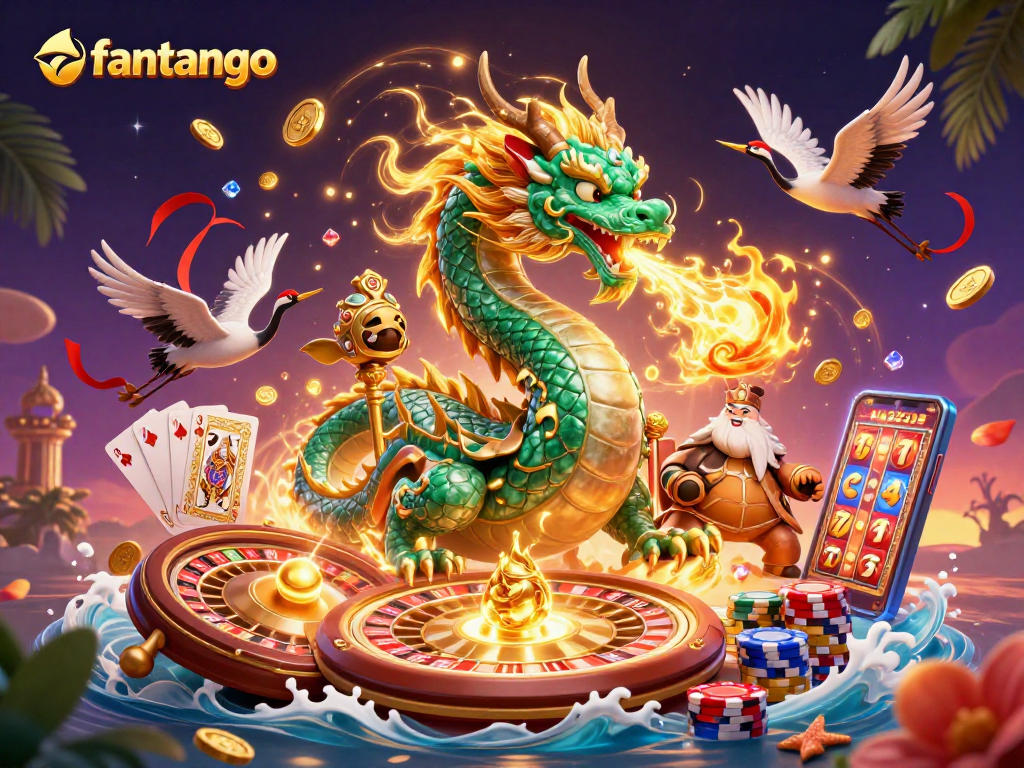
The Historical Roots of Fan-Tan and Its Growth
Fan-Tan, an ancient game of chance, has captured the hearts of players for centuries. While its popularity may have ebbed and flowed through the years, the game's rich history serves as a testimony to its enduring allure. As we delve into the origins and evolution of fan-tan, we will uncover how it moved from the corridors of ancient China to bustling marketplaces across Southeast Asia and eventually made its way to the Western world. When exploring options, https://fantango.net/ provides comprehensive insights that enrich our understanding of this fascinating game.
Origins in Ancient China
Fan-Tan traces its origins back to ancient China, where it was developed as an entertaining pastime among the population. Early documentation suggests that the game utilized simple mathematical principles of remainders, making it both accessible and engaging for players. The game's fundamental mechanics focus on dividing objects like buttons or coins into groups, with players betting on the number left over after the division is performed. This straightforward yet captivating premise has contributed to the game's long-standing popularity.
Cultural Impact in Southeast Asia
As trade routes expanded, fan-tan journeyed beyond its birthplace. The game became popular in various Southeast Asian countries, often undergoing slight modifications to accommodate local customs and preferences. This cultural diffusion enriched the game with regional characteristics, making it a staple in social gatherings and local markets. The shared heritage of fan-tan across various cultures highlights its significance as a form of entertainment and a means of socializing, demonstrating how traditional games can foster community bonds.
Modern Variants in Western Gaming
The 19th century marked a pivotal point in the history of fan-tan as it traveled to the United States and Europe. With the influx of immigrants from Asia, particularly in densely populated urban centers, fan-tan found new life among diverse audiences. This integration into Western culture led to the emergence of modern variations of the game, some featuring different betting structures and gameplay elements. Today, fan-tan is recognized not only as a traditional game but also as an exciting component in casinos and online gaming platforms.
Understanding the Gameplay Mechanics of Fan-Tan
To fully appreciate fan-tan, it’s essential to explore its core gameplay mechanics and the tools used to play. Understanding the rules and equipment provides players with a foundation to develop effective betting strategies and improve their odds of winning.
Essential Game Tools and Equipment
At the heart of fan-tan are simple yet crucial tools: the buttons or beads (known as khuy), a cup, and a stick for separating the beads. The khuy, often made from plastic or other materials, come in various colors and styles, but their primary function remains the same. The cup serves to randomly select a quantity of khuy, while the stick is employed to sort and group the scattered buttons on the table. Collectively, these items create an engaging visual and interactive experience for players.
Core Rules and Workflow
The gameplay follows a systematic approach that maintains both excitement and fairness. Typically, the game begins with the operator shuffling the khuy under the cup and randomly selecting a quantity. Players then place their bets on which group of khuy will remain after the separation process. This method ensures that the outcome remains unpredictable and based purely on chance—a hallmark of any exciting casino game.
Mathematical Logic Behind Betting Outcomes
Understanding the underlying mathematics of fan-tan is vital for those wishing to play strategically. The game relies on principles of probability and statistics, specifically exploring how the distribution of khuy affects betting outcomes. Knowing how to calculate the probability of each possible outcome can provide players with an edge and allow them to devise better betting systems.
Strategies for Mastering Fan-Tan
Mastering fan-tan requires more than just understanding the rules; effective strategies play a crucial role in maximizing one’s chances of winning. Players must employ observational techniques, record statistics, and analyze game dynamics to become proficient in this captivating game.
Observational Techniques for Better Betting
One key strategy in fan-tan is to observe patterns from previous rounds. While luck plays a role, keen attention to trends may reveal insights into sequences that occur more frequently. Players may utilize betting systems based on these observations, aligning their bets with statistically favorable outcomes.
Data Recording Methods for Statistics
Keeping track of outcomes through detailed records can significantly enhance a player’s understanding of the game. By developing a systematic way to capture this data, players can analyze long-term trends and potentially adjust their betting strategies accordingly. Utilizing charts or statistical software can help visualize data patterns that might otherwise go unnoticed.
Game Dynamics: Identifying Patterns
The dynamics of fan-tan can prove both fascinating and complex. As players gather more data, they can identify recurring trends or common sequences in the game. Recognizing these patterns allows for strategic decision-making on when to modify their bets or to switch tactics entirely.
Advanced Concepts in Fan-Tan Probability
To master the intricacies of fan-tan, players must grasp several advanced concepts regarding odds and probability. This understanding is paramount when crafting a winning approach to the game.
Gravity of Gaming Terms and Definitions
Familiarity with gaming vocabulary is crucial for navigating fan-tan confidently. Understanding terms such as "RTP" (Return to Player), "house edge," and "variance" not only adds depth to one’s comprehension but also aids in making informed betting decisions. These fundamentals carry significant weight in dictating the strategy employed by players.
The Significance of Strategic Positioning
Strategic positioning is an integral part of fan-tan, particularly when selecting which khuy to bet on. Players should consider diversification techniques, spreading their bets across different outcomes to mitigate risk. Knowing when to place a high-stakes wager or when to play conservatively can lead to more enjoyable and potentially lucrative gaming experiences.
Understanding Odds and Their Implications
Understanding odds plays a vital role in fan-tan. The player’s effectiveness is heavily influenced by their knowledge of how odds work. Calculating the probability of an outcome, assessing the house edge, and analyzing variance are all part of the experience that can lead to well-informed betting choices. Keeping an eye on how these factors change throughout a game can assist in maintaining a favorable betting position.
Wrapping Up: The Future of Fan-Tan Gaming
As we reflect on the journey fan-tan has taken from its ancient roots to its current presence in the gaming world, it is evident that this beloved game continues to thrive in various formats. The future promises further innovations and adaptations as technology enhances the gaming experience.
The Evolution of Gambler Engagement
The continued development of online platforms and mobile gaming apps has expanded access to fan-tan. Casinos are increasingly providing diverse options for players to enjoy this game in virtual settings. Engaging in fan-tan through live dealers connects players to an authentic casino atmosphere right from their homes, elevating the gaming experience.
Trends in Game Design and Technology
The integration of technology into the gaming sector will shape the future of fan-tan. Game developers may explore incorporating advanced algorithms and randomized solutions to add complexity and excitement to gameplay. Therefore, staying attuned to emerging trends will be essential for players hoping to maintain an edge.
Recommendations for Ethical Gaming Practices
In light of gambling’s inherent risks, players are encouraged to adopt responsible gaming practices. This includes setting time limits, budgeting funds, and recognizing the signs of problem gambling. Remember, gambling should be viewed chiefly as a form of entertainment, and maintaining a healthy balance is crucial for longevity in the gaming community. Resources and support systems are available for those who may need assistance in this regard.