
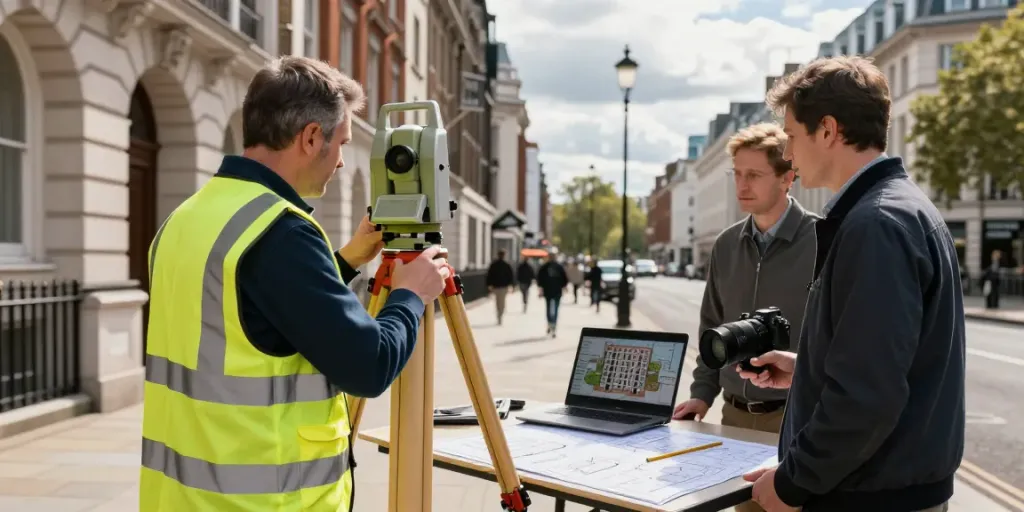
The Importance of Measured Building Surveys
Measured building surveys serve as the backbone of many successful construction and renovation projects. They provide critical data regarding the dimensions and layout of a property, ensuring accuracy and precision in the planning and execution phases. In an industry where small errors can lead to significant financial repercussions and delays, the role of Measured Building Surveyors Surrey becomes indispensable. This article delves into what measured building surveys entail, their benefits, and how to effectively select a qualified surveyor for your projects.
Understanding Measured Building Surveys
A measured building survey is a detailed survey that involves the accurate measurement of a property’s dimensions and features. This type of survey can encompass various aspects, including floor plans, elevations, and sections of the building, all translated into precise data that architects, engineers, and planners can utilise. The value of these surveys has increased significantly, especially as regulatory requirements have become stricter and the need for accuracy in construction has escalated.
Key Benefits for Construction Projects
- Accuracy: The primary advantage of measured building surveys is their accuracy. Detailed measurements ensure that architects can design projects that fit existing structures without expensive modifications.
- Risk Mitigation: With a measured survey, potential issues can be identified early, reducing the risk of costly changes during construction.
- Compliance: Measured surveys help ensure that projects meet local building regulations and planning requirements, simplifying the approval process.
- Better Planning: Having precise data allows for better space management and planning, resulting in projects that are more effective and tailored to user needs.
Common Misconceptions About Building Surveys
Despite their clear benefits, many people still misunderstand the importance of measured building surveys. One prevalent misconception is that such surveys are unnecessary for smaller projects or residential properties. However, regardless of the project size, accurate measurements can save time and money in the long run. Another myth is that all surveyors possess equal capabilities; the truth is that expertise varies significantly within the industry.
Choosing the Right Measured Building Surveyor
Selecting the right surveyor is crucial to obtaining the most accurate and beneficial survey results. As the demand for measured building surveys continues to grow, so does the number of professionals offering these services. Finding a qualified and experienced surveyor can make a substantial difference in the outcome of your project.
What to Look for in a Professional Surveyor
- Experience: Look for surveyors with a proven track record in your specific industry sector, whether it be commercial, residential, or industrial.
- Accreditation: Ensure that the surveyor is a member of professional bodies such as the Royal Institution of Chartered Surveyors (RICS), which signifies adherence to the highest standards.
- Technology Use: Inquire about the technology utilized in their surveys. Modern tools such as 3D laser scanning can provide superior accuracy and efficiency.
Questions to Ask Potential Surveyors
When interviewing potential surveyors, ask questions that will clarify their capabilities and experience. Key questions include:
- What types of projects have you completed similar to mine?
- What methodologies do you use for your surveys?
- Can you provide references or case studies of previous work?
- How do you ensure compliance with local regulations?
Evaluating Experience and Expertise
It’s important to not only consider the length of experience but also the relevant expertise in your specific project type. Review their portfolio and see how their past projects align with your needs. It may also be beneficial to seek recommendations from peers in the industry who have had successful experiences with specific surveyors.
Best Practices for Measured Building Surveys
To maximize the effectiveness of a measured building survey, several best practices should be adhered to throughout the process. From preparation to execution, these practices ensure reliable outcomes that can significantly affect project success.
Preparation Steps for Accurate Measurements
- Clear Objectives: Define clear objectives for what you want your survey to achieve. Having a well-communicated goal will facilitate a smoother process.
- Access and Permissions: Ensure that the surveyor has full access to the property and that any necessary permissions are obtained beforehand.
- Preparation of Site: While the surveyor will conduct measurements, having the site organised and free from obstructions can aid in more efficient surveying.
Utilizing Advanced Surveying Technology
In 2026, the use of advanced technology in measured building surveys is not just beneficial; it is essential. Technologies such as 3D laser scanning, drone surveying, and photogrammetry not only enhance accuracy but also reduce the time required to complete surveys significantly. Adopting such technologies leads to more efficient workflows and better data collection.
Data Collection and Analysis Techniques
Accurate data collection is fundamental to the success of a measured building survey. Employing a methodical approach to data gathering—ensuring all measurements are double-checked and that an appropriate system is in place for recording the information—will yield the best results. After data collection, thorough analysis is needed to interpret the measurements accurately, producing useful documentation for your project.
Real-World Applications of Building Surveys
The practical applications of measured building surveys are vast and varied, influencing everything from design decisions to regulatory compliance across numerous sectors.
Case Studies: Successful Project Outcomes
Case studies of previous projects can provide insights into how measured building surveys have successfully contributed to project outcomes. For instance, a recent commercial renovation project in London relied on detailed measured surveys to minimise disruption and support complex design modifications. The resultant accuracy helped the architects make informed decisions that enhanced the building's functionality while adhering to budget constraints.
Impact on Design and Planning Decisions
Measured building surveys directly influence design and planning by providing a factual basis for architects and engineers. Having precise dimension data allows for innovative design solutions that maximise the use of available space, further adding value to the completed project.
How Surveys Influence Regulatory Compliance
Governments and local councils often require measured building surveys to ensure compliance with safety and planning regulations. Accurate surveys ensure that all developments meet mandated codes, reducing the likelihood of legal issues that could arise from non-compliance.