
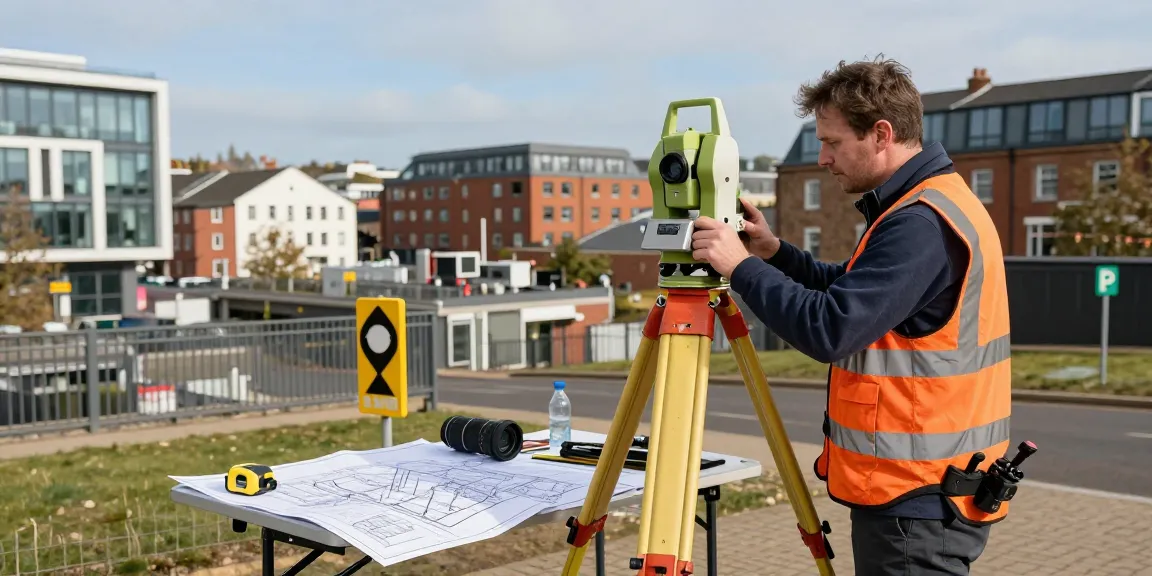
Understanding Topographical Surveys in Southampton
When embarking on a construction or development project, understanding the terrain is crucial. Topographical surveys play a pivotal role in providing in-depth insights into the natural and man-made features of a piece of land. In Southampton, professional surveyors utilise cutting-edge technology to deliver precise mapping data, enabling architects, engineers, and planners to make informed decisions. For those considering a topographical survey, Topographical surveys Southampton can offer comprehensive insights into your site’s unique characteristics.
What Are Topographical Surveys?
A topographical survey, often referred to as a land survey or terrain survey, is a detailed examination and mapping of a specific area. This process identifies all physical features of the land, including elevations, contours, vegetation, man-made structures, and boundaries. The final product is typically a scaled map that represents both the natural and constructed elements within the surveyed area.
Key Components of a Topographical Survey
The effectiveness of a topographical survey lies in its detailed components, which may include:
- Site Boundaries: Accurate delineation of property lines is essential, particularly for development projects.
- Elevation Data: Capturing the height of land at various points to determine slopes, drainage paths, and potential flood zones.
- Man-Made Features: Mapping existing buildings, roads, and utilities that may affect construction.
- Natural Features: Documenting topographical elements such as trees, rivers, and hills that might impact development plans.
Why Accurate Surveys Are Essential for Development
Accurate topographical surveys are essential for several reasons:
- Foundation for Design: They provide crucial data that informs architectural and engineering designs, ensuring that new developments integrate seamlessly with existing landscapes.
- Risk Mitigation: Identifying potential hazards like unstable ground and flood-prone areas supports better planning and risk management.
- Regulatory Compliance: Many local authorities require a topographical survey as part of the planning permission process to assess the suitability of proposed developments.
- Cost Efficiency: Investing in a precise survey upfront can prevent costly modifications and disputes later in the project.
Benefits of Professional Topographical Surveys
Enhanced Planning and Design Accuracy
With precise topographical surveys, planners and designers benefit from highly accurate data that reflects the true nature of the land. This accuracy ensures that designs take into account the layout of the existing features, which optimises land use and increases project efficiency.
Identifying Natural Hazards and Constraints
One of the key benefits of a topographical survey is its role in identifying potential natural hazards. A detailed understanding of the terrain can highlight areas prone to flooding, landslides, or other environmental risks. This information is invaluable for creating safety protocols and mitigating risks before starting construction.
Supporting Regulatory Compliance in Development Projects
Regulatory bodies often require detailed surveys to ensure that proposed developments meet local planning standards. A topographical survey offers the detailed information necessary for compliance, thus speeding up the approval process and ensuring that projects can proceed without unnecessary delays.
Technology and Techniques in Topographical Surveys
Tools Used by Topographical Surveyors in Southampton
Modern topographical surveys in Southampton rely on a variety of advanced tools and technologies to achieve accurate results. Surveyors use:
- Total Station Instruments: These combine a theodolite and electronic distance measurement technology for precise angle and distance measurement.
- Global Navigation Satellite Systems (GNSS): Essential for determining precise locations, especially in expansive rural areas.
- 3D Laser Scanners: These devices capture millions of data points to create detailed 3D models of the terrain.
- Unmanned Aerial Vehicles (Drones): Drones equipped with high-resolution cameras are used to survey hard-to-access areas from the air.
- Digital Level Instruments: Utilised for measuring vertical height changes and enhancing overall elevation data accuracy.
Innovative Survey Methods: Drones and 3D Scanners
The use of drones and 3D laser scanners has revolutionised the way surveys are conducted. Drones can cover large areas quickly and gather high-resolution images, while 3D scanners provide unparalleled detail that traditional methods may miss. These technologies enable surveyors to create more accurate and comprehensive surveys, which are crucial for effective planning and development.
Case Studies: Successful Projects Utilising Advanced Techniques
Several projects in and around Southampton have benefited from the adoption of advanced surveying techniques. For example, a recent commercial development project utilised drone technology to map a large site within a short timeframe, allowing for timely decision-making in the design and planning processes. The detailed data provided not only facilitated construction but also satisfied local regulatory requirements, showcasing the effectiveness of modern surveying methods.
Cost Considerations for Topographical Surveys in Southampton
Understanding Pricing Structures for Surveys
The cost of a topographical survey can vary widely based on several factors, including the size and complexity of the site, the technology used, and the specific requirements of the project. On average, residential plots may cost between £450 and £750, whereas larger commercial sites could exceed £1,500. Understanding these variables is crucial for budgeting accurately.
Comparing Costs: Professional vs. DIY Approaches
While some may consider DIY surveying options, professional surveys offer significant advantages. The precision and comprehensiveness of professional surveys justify the investment, particularly considering the potential costs of errors in DIY approaches. A professional surveyor can provide actionable insights and save money in the long run by preventing mistakes.
Tips for Obtaining Accurate Quotes
When seeking quotes for a topographical survey, it’s essential to provide surveyors with detailed information about your site and project requirements. Additionally, ask for breakdowns of costs to understand what is included in the service. This transparency can help you compare different offers and choose the right provider.
Choosing the Right Surveyor in Southampton
Qualities of Professional Topographical Surveyors
Selecting a qualified topographical surveyor is critical for ensuring the success of your project. Look for surveyors who possess the following qualities:
- Accreditation: Ensure that the surveyors are registered with a recognised professional body.
- Experience: Look for a proven track record in handling projects similar to yours.
- Local Knowledge: Familiarity with Southampton’s specific planning regulations can significantly benefit your project.
Questions to Ask Before Hiring a Surveyor
Before making a hiring decision, consider asking the following questions:
- What technologies do you use for surveys?
- Can you provide references from previous clients?
- What is your turnaround time for delivering survey results?
- How do you determine your pricing structure?
Understanding Local Market Trends and Preferences
Being aware of local market trends can also guide your choice of surveyor. Understanding what amenities and features are sought after in Southampton can influence how you approach your development project. Collaborating with a surveyor who has insight into these trends can enhance the project’s success.
What is a topographical survey?
A topographical survey provides a detailed map of the surface of the land, capturing both natural and man-made features. It is essential for various applications, including construction, landscaping, and land use planning.
How much does a topographical survey cost?
The costs can vary significantly based on site size and complexity, ranging from approximately £450 for small residential areas to over £1,500 for larger commercial projects.
Who needs a topographical survey?
Individuals and organisations involved in land development, construction, or any project that requires comprehensive land information will benefit from a topographical survey.
What technologies are used in topographical surveys?
Modern surveys utilise tools like total stations, GNSS technology, and drones to provide accurate measurements and detailed site data, enhancing the overall surveying process.
How can I find a reputable surveyor in Southampton?
Researching local companies, reading reviews, and asking for recommendations can help you identify reputable surveyors. Ensure that they have the necessary accreditation and experience in your specific project type.

